Trending in Nigeria

Loading...

The Creeks of the Mid 1900s Nigeria Beckons on Shell For Clean Up as Pollution Cases Rise


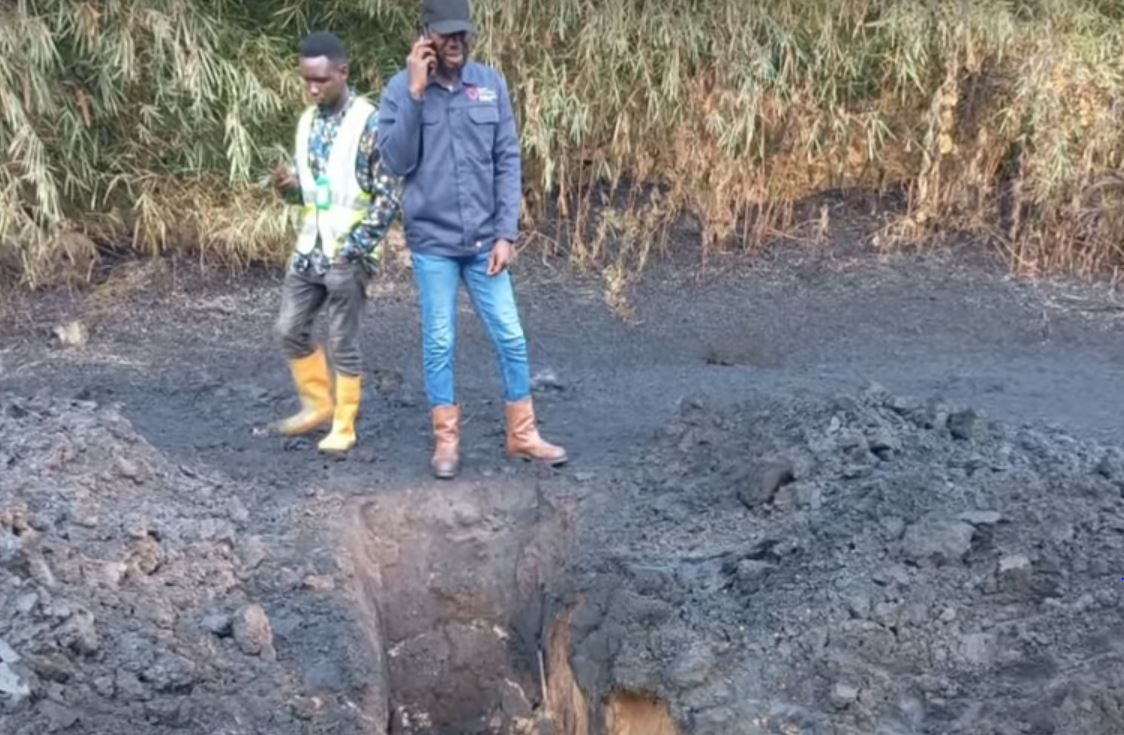
Reports directly challenge this legacy as many argue that prosperity came at an unacceptable cost. Instead of benefits, communities in the Niger Delta experienced broken rules, failing infrastructure and unresolved clean-up costs that have damaged water, farmland, fisheries, health and livelihoods.

Shell Pollution in Nigeria

Shell Pollution in Nigeria

7 hours ago


When commercial quantities of oil were struck at Oloibiri in 1958, Shell was celebrated as the company that had unlocked Nigeria’s economic future. Newspaper reports of the era portrayed the discovery as a triumph of engineering, perseverance, and industrial ambition. The Niger Delta, once described as an inaccessible maze of swamps and creeks, was transformed into the stage for one of Africa’s most significant petroleum discoveries.

Nearly seven decades later, that pioneering narrative remains inseparable from another story, one of environmental degradation, contested accountability, and communities still demanding justice. While Shell’s role in establishing Nigeria’s oil industry remains historically undeniable, its legacy in the Niger Delta has become equally defined by decades of oil spills, litigation, and unresolved environmental damage.

The contrast between these two narratives illustrates how one of Nigeria’s greatest economic success stories has evolved into one of its most enduring environmental debates.

The Narrative of Prosperity Meets the Reality of Pollution

The optimism surrounding Shell’s arrival in Nigeria was unmistakable. Contemporary reports described the company’s exploration activities as an investment that would eventually bring prosperity to countless more. The oil industry was expected to generate employment, attract foreign investment, and accelerate development across the region. Thousands of Europeans and Nigerians worked together in what was portrayed as a shared mission to modernize a previously isolated landscape.

For many Nigerians, that promise appeared justified. Petroleum exports rapidly became the backbone of the country’s economy, funding infrastructure, public institutions, and government revenues for decades.

Yet for many communities living closest to the oil fields, the promised prosperity has long been overshadowed by environmental consequences.

Environmental organizations argue that the economic benefits came alongside decades of pollution that severely affected local livelihoods. According to recent investigations, many Niger Delta communities continue to struggle with contaminated rivers, damaged farmland, declining fisheries, and health concerns linked to repeated oil pollution. The organization argues that inadequate clean-up efforts and weak environmental management left many residents bearing the environmental costs of an industry that generated enormous national wealth.

The result is a profound contradiction: while oil transformed Nigeria’s economy, many producing communities continue to question whether they ever shared proportionately in the prosperity they were promised.

From Engineering Triumph to Infrastructure Under Scrutiny

The 1958 narrative celebrated Shell’s engineering achievements.

Operating in the Niger Delta required overcoming extraordinary geographical obstacles. Engineers constructed facilities in difficult swamp terrain, developed artificial islands for drilling operations, and built extensive pipeline networks through one of the world’s most challenging environments. These projects were presented as remarkable examples of technological innovation and corporate determination.

Today, however, much of that infrastructure has become the subject of intense scrutiny.

Reports reference maintenance issues in infrastucture, extensive use of temporary repair clamps, and concerns that aging infrastructure remained in service longer than appropriate.

Environmental advocates argue that what began as pioneering engineering gradually became an aging industrial network requiring investments that failed to keep pace with operational risks.

Shell has consistently maintained that it invested substantially in pipeline maintenance and environmental protection during its operations in Nigeria. The company has also emphasized that many oil spills resulted from sabotage, crude oil theft, and illegal refining activities rather than equipment failure alone.

The debate therefore extends beyond the existence of pollution itself to questions about responsibility, maintenance standards, and whether sufficient preventive measures were taken throughout decades of production.

Next

Announcements / Notice!!!

Sun Aug 02 2026


Loading...

X

Unlock News Faster ...Sign Up

Recommended